
Nvidia Shatters Revenue Records Amid Surging AI Chip Demand
Strong Financial Performance Calms Investor Concerns
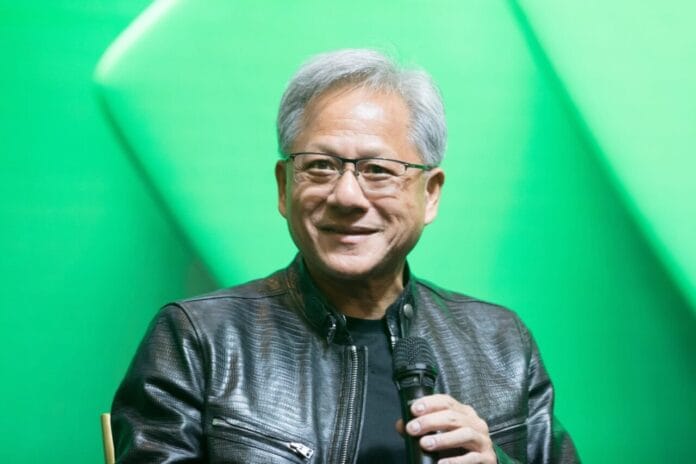
Investors who were anxious about Nvidia’s recent earnings can now relax. CEO Jensen Huang delivered encouraging news during the company’s latest earnings call, reassuring shareholders of the world’s leading publicly traded semiconductor firm.
Despite widespread speculation about a potential AI market bubble, Huang painted a contrasting picture. Instead of signs of overheating, Nvidia is experiencing an unprecedented influx of revenue.
Record-Breaking Revenue and Earnings
In its third fiscal quarter, Nvidia reported an all-time high revenue of $57.01 billion, surpassing analysts’ expectations of $54.92 billion. Earnings per share also exceeded forecasts, coming in at $1.30 versus the anticipated $1.25.
The company’s data center segment, a critical driver of growth, posted a staggering $51.2 billion in revenue-an increase of 66% year-over-year. This surge underscores the escalating demand for AI-focused computing power.
Optimistic Outlook Fueled by Robust Demand
Looking ahead, Nvidia anticipates continued strong demand. Huang highlighted that sales of the new Blackwell GPUs are “off the charts,” with cloud GPU inventory completely sold out. The company projects next quarter revenue to reach $65 billion, well above the market consensus of $60.66 billion.
Chief Financial Officer Colette Kress revealed during the investor call that Nvidia has visibility into nearly half a trillion dollars in revenue from Blackwell and Rubin chip sales through the end of 2026, signaling sustained growth in AI infrastructure investments.
Addressing AI Bubble Fears Amid Market Volatility
As Nvidia became the first company to hit a $5 trillion market capitalization, concerns about an AI bubble intensified. Given Nvidia’s pivotal role as the largest global chip supplier powering AI advancements, it has been at the center of these debates.
Recently, prominent investors, economists, and tech leaders have voiced worries about inflated valuations in AI-related stocks. This skepticism was compounded when major shareholders like Japan’s SoftBank and Peter Thiel’s Thiel Macro hedge fund divested their entire stakes within a fortnight.
However, Nvidia’s latest earnings report appears to have alleviated some of these fears, with shares climbing over 5% following the announcement, reflecting renewed investor confidence.
Strategic Partnerships and Industry Collaborations
During the quarter, Nvidia announced several high-profile collaborations, including its inaugural partnership with Anthropic, a competitor to OpenAI. These alliances have intensified discussions about the concentration of multi-billion-dollar AI investments among a few dominant tech giants with overlapping interests.
Notably, an SEC filing shed light on the nature of these partnerships. While Nvidia’s $10 billion commitment to Anthropic is described as a firm agreement, its $100 billion investment in OpenAI is characterized more as a “letter of intent” offering participation opportunities. This distinction has sparked debate about the solidity of Nvidia’s OpenAI involvement.
Geopolitical Challenges and Government Relations
Nvidia also hosted its first GPU Technology Conference in Washington D.C. this quarter, signaling its growing influence in the AI hardware space. Meanwhile, CEO Jensen Huang has been actively engaging with the U.S. government to navigate the ongoing uncertainties surrounding chip sales to China.
CFO Kress noted that political tensions have hindered substantial purchase orders from China, limiting Nvidia’s ability to ship competitive data center products there. Despite these challenges, the company remains committed to dialogue with both U.S. and Chinese authorities.
Recent reports indicate that White House officials are urging lawmakers to reconsider the GAIN AI Act, which could impose strict restrictions on Nvidia’s chip exports to China if included in the upcoming defense bill. This development may ease some of the regulatory pressures facing the company.

