
Good morning, AI enthusiasts. If you found it unsettling that people develop emotional bonds with AI models, brace yourself-the future promises even more unexpected developments.
A recently launched app named 2wai enables users to create interactive AI avatars of deceased loved ones. This innovation has sparked intense debate, with many condemning it as ethically problematic, highlighting a potential moral boundary in AI technology.
ICYMI: Every Monday, we introduce a new segment showcasing how The Rundown team integrates AI into their professional and personal lives. Discover the latest insights and workflows below!
Today’s AI Highlights:
- Disney actor’s AI avatar app brings conversations with the departed to life
- The Rundown Roundtable: Team members share their AI applications
- Organize your business finances effortlessly using Claude
- Microsoft CEO Satya Nadella outlines a collaborative, “positive-sum” AI future
- Explore four innovative AI tools, community workflows, and more
Emerging AI Innovations
2wai: Conversing Beyond Life
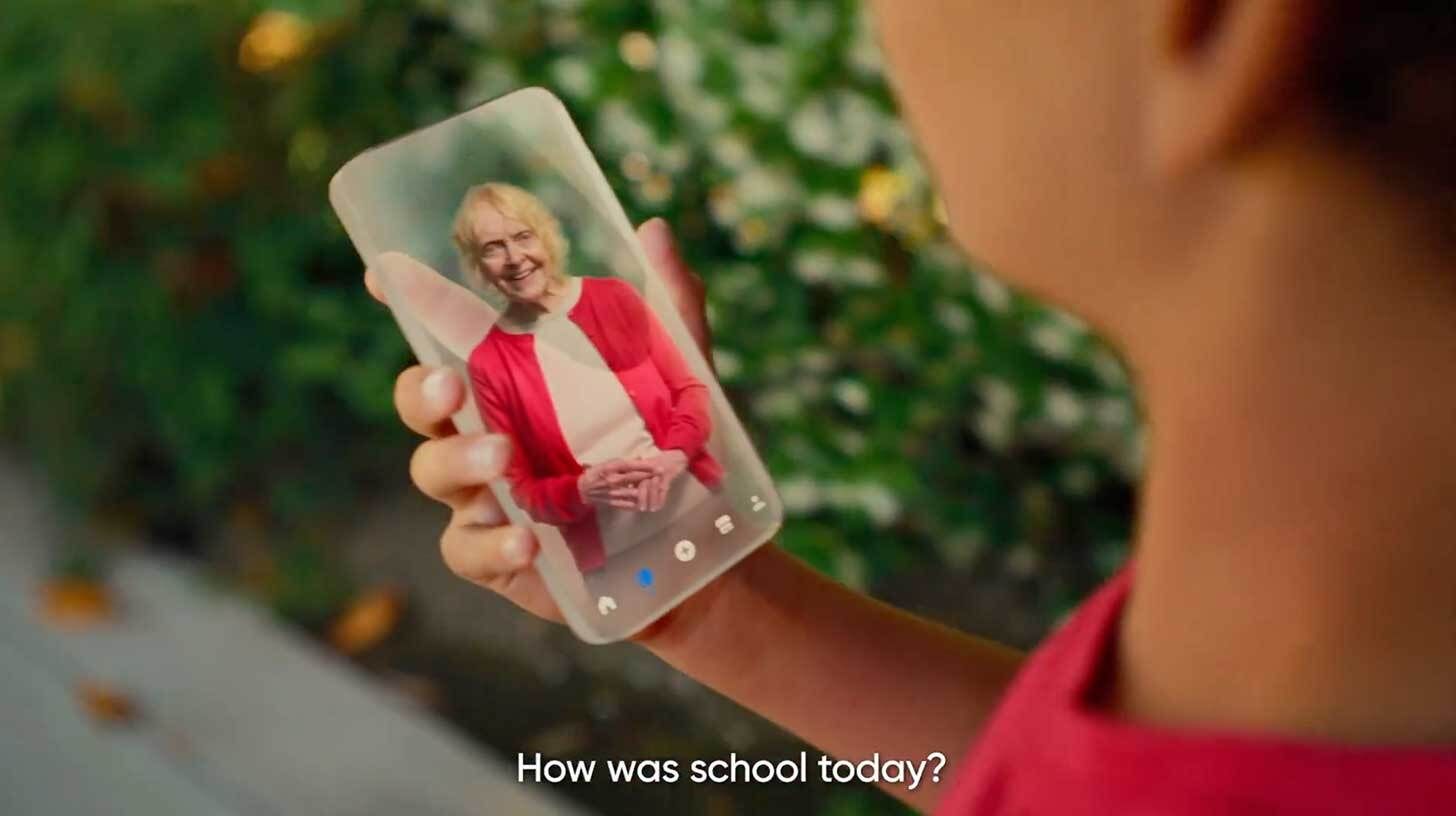
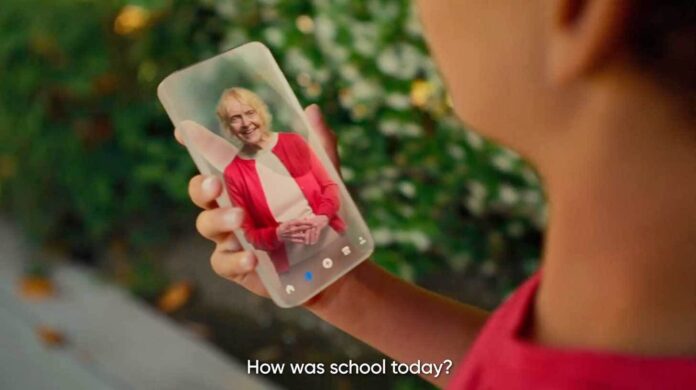
Overview: Actor Calum Worthy, known for his work on Disney Channel, has introduced 2wai, an AI platform that crafts interactive digital avatars of deceased family members. These avatars can engage in conversations and simulate interactions across various life stages, evoking comparisons to the dystopian themes of “Black Mirror.”
Key Features:
- Creates “HoloAvatars” from just a few minutes of recorded video, enabling users to communicate with digital representations of lost relatives.
- A promotional video showcasing an AI grandmother interacting with her grandson from infancy to adulthood went viral, sparking thousands of critical comments on social media.
- The app is currently in beta and free on Apple’s App Store, with plans for a subscription model and Android release forthcoming.
- Critics have labeled the technology as exploitative and morally questionable, arguing it may hinder the grieving process by simulating the deceased without their consent.
Why This Matters: While emotional connections to AI companions are already raising eyebrows, 2wai pushes the envelope further by resurrecting digital personas of the departed. This raises profound ethical dilemmas about consent, identity, and the commercialization of grief. Presenting a hollow avatar as a way to “preserve” loved ones risks fostering unhealthy attachments and psychological distress.
Spotlight on Data Sharing: Mozilla Data Collective
Mozilla Data Collective is a groundbreaking platform dedicated to sharing real-world datasets. It supports over 300 languages and offers multilingual, multimodal data curated by contributors worldwide. The datasets, licensed permissively, cover areas such as automatic speech recognition (ASR), text-to-speech (TTS), translation, and spoken language modeling (SLM). Access is available through the datacollective Python package.
Recent Additions:
- Bulgarian text-to-speech corpus
- Dialogues annotated for code-switching in Nahuatl
- Audio corpus capturing Indonesian youth speech patterns
The Rundown Roundtable: AI in Everyday Life

Our weekly Roundtable features The Rundown team sharing how AI tools enhance their work and personal routines.
Joey, Head of Partnerships: I’ve been using Sora to entertain my young nieces and nephews. At a recent family gathering, I transformed their imaginative stories into short video clips using Sora. The kids loved it, the adults appreciated the break, and I earned the nickname “fun aunt.” A total win!
Shubham, Editor: My home’s Deco mesh Wi-Fi struggled to cover the ground floor’s rear area. Gemini guided me through router settings, correctly guessed the default password, and suggested channel adjustments. When that wasn’t enough, I shared my floor plan live with Gemini, which helped me find the perfect spot for the second unit, boosting coverage and saving me from buying a third device.
Zach, AI Writer: This summer, I relied on ChatGPT to plan and maintain my garden. By uploading photos of the space, I received tailored advice on plant placement for optimal sunlight, companion planting, watering schedules, and more. I continued updating ChatGPT with progress photos, turning it into a virtual gardening assistant. The first season was a success, and I’m excited to expand next year.
AI for Business: Streamlining Financial Management with Claude
This tutorial demonstrates how Claude can transform disorganized financial documents into a clear, visually engaging dashboard-no accountant required.
How to Get Started:
- Log into Claude (a paid subscription is recommended for enhanced features), select the Sonnet 4.5 model, and activate extended reasoning and web search.
- Upload your financial files, such as revenue reports, invoices, expenses, and inventory lists. Specify your goals, preferred organization, and visual style.
- Review the generated dashboard, which includes key metrics like total revenue, expenses, net profit, and visual charts. Request adjustments using natural language.
- Add custom features, for example, a column tracking the age of unpaid invoices, then publish and share the dashboard with your team.
Pro Tip: This approach is ideal for small businesses and teams, providing clear insights into financial health and helping identify areas to optimize or cut costs.
Featured Sponsor: Bland – Human-Like AI Voice Agents
Based in San Francisco, Bland develops AI voice agents that sound remarkably human, operate around the clock, and eliminate wait times on calls.
With Bland, you can:
- Engage with AI voices that feel natural and personable
- Simulate conversations tailored to your specific use cases
- Enjoy phone calls that are efficient and pleasant
Interested in experiencing it firsthand? Try Bland today!
Microsoft’s Vision: A Collaborative AI Future

Microsoft CEO Satya Nadella recently shared insights on the company’s “positive-sum” approach to AI development, emphasizing collaboration over competition. In a candid interview on the Dwarkesh Podcast, he discussed artificial general intelligence (AGI) and the industry’s trajectory.
Highlights:
- Nadella described Microsoft’s AI superfactory as a hub for partnerships that accelerate and amplify progress.
- He stressed that AI’s success should be measured by societal and economic advancements, not just corporate valuations.
- The company is shifting from “per user” to “per agent” pricing, viewing AI systems as infrastructure serving multiple users.
- Microsoft now holds extensive rights to OpenAI’s intellectual property (excluding physical hardware) for seven years under their latest agreement.
Significance: Nadella’s vision promotes AI as a tool for broad societal benefit rather than a zero-sum game. However, as AI investments surge and concerns about power concentration grow, many remain cautious, awaiting concrete evidence of AI’s equitable impact.
Quick Updates in AI
- Privacy tool offering 55% off with code RUNDOWN to erase personal data like addresses and phone numbers from the internet*
- New integrations launched for Deep Research, Sheets, Images, and PDFs
- Introduction of lightweight AI models designed to power computer agents
- OpenAI releases an upgraded model featuring customizable personalities
*Sponsored Listing
Industry News
- OpenAI pilots group chat functionality in Japan, New Zealand, South Korea, and Taiwan, enabling up to 20 participants to collaborate in shared conversations.
- Google enhances AI-powered holiday shopping with features like store inventory calls, agent-assisted checkout, and product browsing via Gemini.
- Apple CEO Tim Cook is rumored to be considering stepping down as early as next year, with hardware chief John Ternus as a leading successor candidate.
- ByteDance Seed unveils Depth Anything 3, an AI model that generates precise 3D depth maps from images.
- Japan’s Sakana AI becomes the country’s most valuable private startup, valued at $2.6 billion after recent funding.
- Google commits $40 billion to Texas through 2027 for data centers and AI infrastructure, including a $30 million Energy Impact Fund and workforce training initiatives.
Community Spotlight
Each issue, we highlight how readers leverage AI to boost productivity, save time, or simplify life.
Today’s feature comes from Jackie S. in Jersey City, NJ:
“After pausing my tech career to become a full-time mom, I suddenly became the family CFO. Though I’m not a developer, Google AI Studio helped me build a chat-based budgeting app with a ‘Budget Agent.’ Now, I simply tell it to log expenses, update monthly budgets by category, or provide insights and recommendations. The app also offers a clean dashboard with dynamic charts showing spending trends and budget pacing.”
How are you using AI? Share your story with us!
Additional Resources
Until next time,
Rowan, Joey, Zach, Shubham, and Jennifer – your team behind The Rundown


