
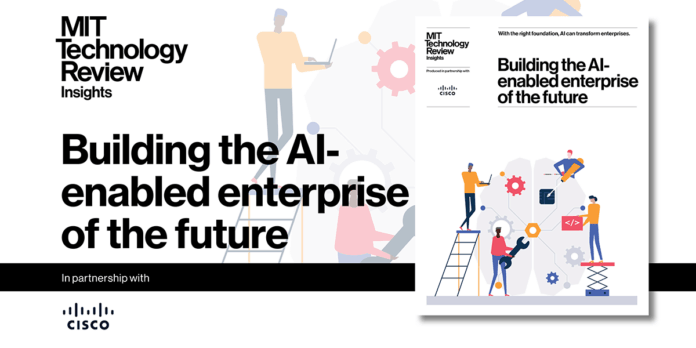
How Artificial Intelligence is Revolutionizing Global Industries
Artificial Intelligence (AI) is reshaping the fabric of modern society, driving profound changes across various sectors. Its capacity to automate mundane tasks and extract insights from vast amounts of data is accelerating innovation and operational efficiency worldwide.
AI’s Impact on Healthcare, Supply Chains, and R&D
In healthcare and pharmaceuticals, AI-powered algorithms and machine learning are enhancing disease detection accuracy and slashing drug discovery timelines by up to 50%. This progress is ushering in an era of tailored treatments that cater to individual patient profiles. Meanwhile, AI applications in supply chain management enable companies to anticipate disruptions, optimize logistics, and bolster operational resilience. Across industries such as automotive and aerospace, integrating AI into research and development processes can cut product launch times by half and reduce expenses by nearly 30%, driving faster innovation cycles and cost savings.
Industry Leaders Embrace AI Amid Growing Pressure
Patrick Milligan, Chief Information Security Officer at Ford, highlights the company’s commitment to embedding AI throughout its transformation journey, expanding its use across multiple business functions. This reflects a broader trend: organizations worldwide are racing to adopt AI technologies to maintain competitive advantage.
Recent surveys reveal that 98% of enterprises feel an intensified urgency to implement AI solutions compared to the previous year. Moreover, 85% believe they have less than 18 months to develop and deploy an AI strategy before facing adverse business consequences. Jeetu Patel, President and Chief Product Officer at Cisco, warns that hesitation could lead to obsolescence. “Delaying AI adoption risks irrelevance,” Patel states. “It’s not AI itself that threatens jobs, but competitors leveraging AI more effectively.”
Challenges in AI Readiness and Infrastructure
Despite the widespread recognition of AI’s importance, only 13% of companies globally consider themselves fully prepared to harness its potential. The growing complexity of IT environments poses significant hurdles. Approximately 68% of organizations report that their current infrastructure is only moderately equipped to support and scale AI workloads.
Key technical requirements include robust computational resources capable of handling sophisticated AI models, optimized network architectures within data centers, and advanced cybersecurity measures to counter increasingly complex threats. Equally critical is the implementation of observability tools that provide continuous monitoring and performance optimization for AI systems and infrastructure.
Furthermore, the foundation of any successful AI initiative lies in high-quality, well-governed enterprise data. Since AI’s effectiveness is directly tied to the data it processes, organizations must cultivate a culture that prioritizes AI literacy and invests in talent development to fully capitalize on these technologies.
Looking Ahead: Building an AI-Driven Future
As AI continues to evolve rapidly, companies that proactively build resilient infrastructure, foster data excellence, and nurture skilled teams will be best positioned to thrive. The integration of AI is no longer optional but essential for sustaining growth and innovation in today’s fast-paced digital economy.

