
Videos depicting storms generated by artificial intelligence are rapidly circulating across social media platforms. Here’s how to identify trustworthy information amidst the flood of misleading content.
Surge of AI-Created Storm Footage Amid Hurricane Melissa
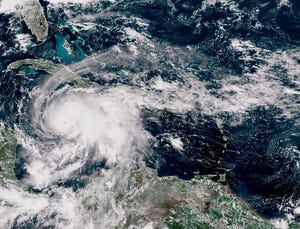
As Hurricane Melissa, a Category 5 storm with winds surpassing 180 mph, approaches Jamaica, social media channels are flooded with alarming videos. Many of these clips show scenes of devastating floods, collapsed structures, and rescue operations that never actually occurred.
These fabricated videos, often compiled from old storm footage or entirely produced using advanced text-to-video AI technologies, have amassed millions of views within hours on platforms like X (formerly Twitter) and TikTok.
During emergencies, such as imminent natural disasters, the spread of false visuals can cause widespread confusion, unnecessary panic, and divert attention from critical, accurate updates that could save lives.
The Growing Challenge of AI-Generated Misinformation in Natural Disasters
While misinformation and recycled footage have long been issues during crises, the advent of AI-generated video content has intensified the problem. Cutting-edge tools, including OpenAI’s Sora and other AI video generators, can produce hyper-realistic storm and flood imagery within seconds, reaching millions online almost instantly.
This technological leap means that fabricated disaster scenes can now be created and disseminated with unprecedented speed and realism, complicating efforts to discern fact from fiction.
Why Are Storms Particularly Vulnerable to False Narratives?
Storm-related content is inherently dramatic, emotionally charged, and fast-moving-ideal conditions for misinformation to thrive. Previously, misleading videos often involved repurposed footage from past storms misrepresented as current events. Now, digital fabrication allows for entirely fictional depictions, such as apocalyptic floods or “live” storm conditions hours before landfall.
Examples circulating recently include videos showing sharks swimming in floodwaters or exaggerated scenes of human distress, none of which are authentic. Such falsehoods can amplify fear, erode public trust, and distract emergency responders from verified information.
Identifying AI-Generated Storm Videos: Practical Tips
To navigate the deluge of dramatic hurricane videos online, it’s crucial to critically evaluate their authenticity. Jamaica’s Information Minister, Sen. Dana Morris Dixon, emphasizes relying on official channels for accurate updates, such as the Jamaica Information Service, the Office of Disaster Preparedness and Emergency Management, and the Prime Minister’s official communications.
- Verify the source: Videos from unknown or unverified accounts without timestamps or credible media branding should be treated with skepticism. Look for watermarks like the “Sora” logo, which indicates AI-generated content, or check comments for warnings from other users.
- Confirm location and timing: Assess whether the footage matches Jamaica’s geography and current conditions. Many viral clips attributed to Hurricane Melissa may actually originate from previous Caribbean or Gulf storms.
- Cross-check with trusted authorities: Consult reliable sources such as the Meteorological Service of Jamaica, the U.S. National Hurricane Center, or reputable news agencies like BBC, Reuters, and the Associated Press for verified information.
- Pause before sharing: Refrain from reposting sensational videos until their authenticity is confirmed to prevent spreading misinformation.
- Follow local updates: Local emergency services, radio stations, and government officials provide the most relevant and timely information on evacuations and safety measures.
- Monitor official alerts: Stay tuned to government and emergency management channels for the latest, accurate updates essential for your safety.
Adapting to a New Era of Digital Disinformation
The increasing accessibility of AI media tools means that future natural disasters will likely be accompanied by a surge in fabricated content. Hurricane Melissa serves as a stark example of this emerging reality, where much online information cannot be taken at face value.
To protect yourself and your community, cultivate a healthy skepticism and prioritize information from verified, authoritative sources. This vigilance is vital for navigating the complex information landscape and ensuring your safety during critical events.

