
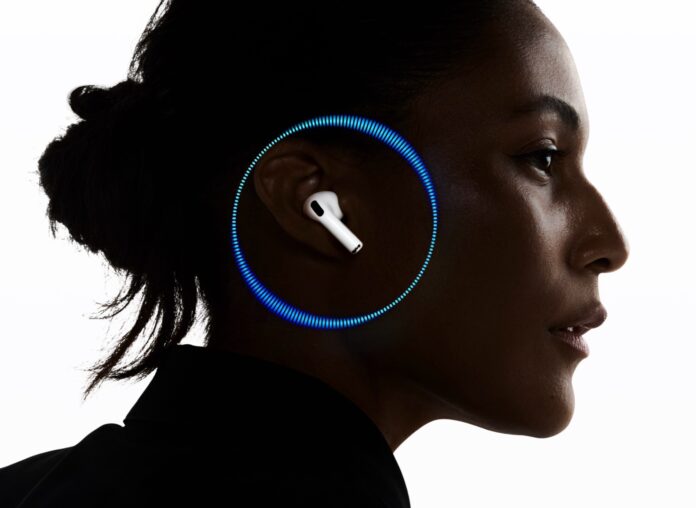
The latest iteration of Apple’s AirPods Pro, the third generation, introduces a cutting-edge heart rate sensor alongside enhanced noise cancellation and a redesigned, more comfortable fit. Recent evaluations reveal that these earbuds deliver heart rate measurements with greater precision compared to the Powerbeats Pro 2.
Innovations in Heart Rate Tracking Technology
While both the AirPods Pro 3 and the Powerbeats Pro 2 include heart rate sensors, Apple employs distinct technologies in each. The Powerbeats Pro 2 utilize an optical sensor that emits green LED light and samples data over 100 times per second. In contrast, the AirPods Pro 3 are equipped with a photoplethysmography (PPG) sensor that operates using invisible infrared light at a higher sampling frequency of 256Hz. This compact PPG sensor, the smallest Apple has integrated to date, surpasses the accuracy of the optical sensor found in the Powerbeats Pro 2.
Performance Comparison and Accuracy Insights
Independent testing by technology analysts has demonstrated that the AirPods Pro 3’s heart rate readings closely match those of premium fitness devices like the Garmin Fenix 8 Pro, even during intense interval training sessions. Although the AirPods Pro 3 may record data less frequently under certain conditions, the quality and reliability of the measurements remain exceptional. This level of precision enables users to monitor their cardiovascular activity effectively without relying on additional gadgets such as smartwatches or chest straps.
Practical Benefits for Fitness Enthusiasts
The integration of a highly accurate heart rate sensor in the AirPods Pro 3 marks a significant advancement for athletes and fitness enthusiasts who prefer minimal equipment. Users can now track workout intensity and heart rate zones directly through their earbuds, simplifying the exercise experience. This improvement is particularly notable given the previous generation’s less reliable heart rate tracking capabilities.
Additional Features and Ergonomic Enhancements
Beyond the heart rate sensor, the AirPods Pro 3 offer superior noise cancellation technology and a redesigned ergonomic form factor that enhances comfort during extended wear. These upgrades contribute to a more immersive audio experience and better fit, making the earbuds suitable for both casual listening and rigorous physical activity.
Current Market Context and User Adoption
As of 2025, the demand for wearable health technology continues to grow, with the global market for smart earbuds expected to reach over $5 billion by 2027. Apple’s integration of advanced biometric sensors into popular audio devices positions the AirPods Pro 3 as a competitive option for consumers seeking multifunctional wearables. Comparable products from competitors often require separate fitness trackers, highlighting Apple’s advantage in combining audio and health monitoring in a single device.

