
Emerging Cybersecurity Challenges in the Age of AI
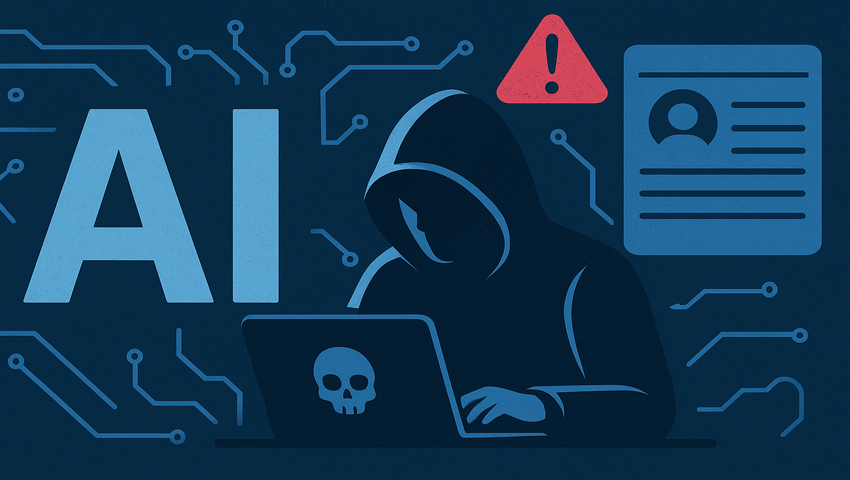
As artificial intelligence continues to evolve rapidly, it is reshaping the landscape of cybersecurity threats. The integration of advanced AI systems into various sectors has introduced new vulnerabilities that cybercriminals are increasingly exploiting. Recent studies indicate that AI-driven cyberattacks have surged by over 40% in the past year alone, underscoring the urgency for enhanced defense mechanisms.
How AI Transforms Cyber Threats
AI technologies, while offering significant benefits, also empower malicious actors with sophisticated tools to launch more effective and targeted attacks. For instance, AI-powered phishing schemes can now craft highly personalized messages that are difficult to distinguish from legitimate communications. This evolution in attack strategies demands a proactive approach to cybersecurity, emphasizing continuous monitoring and adaptive response systems.
Current Trends and Examples
One notable example is the rise of deepfake technology, which leverages AI to create convincing fake audio and video content. Cybercriminals use deepfakes to impersonate executives or trusted individuals, facilitating fraudulent transactions or data breaches. Additionally, AI algorithms can automate vulnerability scanning and exploit discovery, accelerating the pace at which attackers identify and compromise systems.
Strategies for Mitigating AI-Driven Cyber Risks
Organizations must adopt a multi-layered defense strategy that incorporates AI-based security solutions capable of detecting anomalous behavior in real-time. Investing in employee training to recognize AI-enhanced social engineering tactics is equally critical. Furthermore, collaboration between industry leaders and regulatory bodies is essential to establish standards and share intelligence on emerging threats.
Looking Ahead: The Future of AI and Cybersecurity
As AI continues to advance, the cybersecurity landscape will become increasingly complex. Proactive innovation in security technologies, combined with robust policy frameworks, will be vital to safeguarding digital assets. Staying informed about the latest AI-driven threats and adapting security protocols accordingly will empower organizations to navigate this evolving terrain effectively.

