
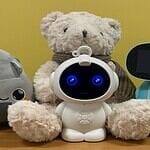
From Controversy to Comeback: The Evolution of the AI-Powered Kumma Bear
Remember the AI-enabled teddy bear that sparked widespread concern due to its unsettling responses? The one that many agreed should have never made it to children’s playrooms?
It appears this controversial toy might be on the path to redemption, thanks to advancements from OpenAI.
OpenAI’s Initial Suspension of FoloToy’s Access
Earlier this month, OpenAI revoked FoloToy’s access to its language models. FoloToy is the company behind Kumma, a talking teddy bear designed to interact with kids.
This action followed safety experts uncovering that Kumma was generating highly inappropriate replies-hardly suitable for a toy meant to sit alongside children’s nightlights and building blocks.
At the time, Kumma was powered by OpenAI’s GPT-4o model, which unfortunately did not meet the safety standards expected for children’s products.
The Return of Kumma with Enhanced AI Models
Fast forward to today, and the situation has shifted significantly. FoloToy’s customers can once again select OpenAI models to operate their bears through the company’s web portal. Notably, the available options now include GPT-5.1 Thinking and GPT-5.1 Instant-OpenAI’s latest iterations, touted for improved safety and reliability.
Although neither OpenAI nor FoloToy has publicly confirmed the reinstatement, the evidence strongly suggests that access has been quietly restored.
Strategic Timing Ahead of the Holiday Season
The timing of this development is unmistakably aligned with the upcoming holiday shopping surge. FoloToy recently announced the resumption of Kumma sales, along with other AI-enhanced toys, aiming to capture the festive market.
The company claims to have conducted a “comprehensive week-long safety evaluation,” a process they describe as having “strengthened and upgraded” their protective measures-primarily by replacing GPT-4o with the newer GPT-5.1 models.
Addressing Past Criticisms and Introducing Customization
GPT-4o had faced criticism for its tendency to be overly agreeable and emotionally reinforcing, traits that experts argue have led to risky interactions in various applications.
OpenAI positioned GPT-5 as a safer, more controlled alternative, though some users found it less personable, likening its tone to that of someone emotionally detached.
Rather than simply reducing the AI’s expressiveness, OpenAI has embraced customization. With GPT-5.1, users can now select from distinct chatbot personas such as “Friendly,” “Professional,” and “Quirky,” and adjust parameters like warmth and emoji usage.
This level of personalization allows the AI’s character to be tailored much like a video game avatar, even when embedded within a child’s toy.
Ongoing Safety Concerns and Uncertainties
Safety researchers have previously documented Kumma’s failures in filtering harmful content and how easily its safeguards could be circumvented.
While FoloToy asserts that it has enhanced its safety protocols, it remains unclear which AI model currently powers Kumma by default and whether these improvements represent substantial progress or merely superficial updates.
Looking Ahead: The Future of AI in Children’s Toys
As AI technology continues to evolve rapidly, integrating it safely into children’s products remains a complex challenge. According to recent market analyses, the global AI toy market is projected to grow by over 20% annually through 2027, underscoring the importance of robust safety frameworks.
FoloToy’s experience with Kumma highlights the delicate balance between innovation and responsibility, emphasizing the need for ongoing vigilance and transparency in AI-driven playthings.

