
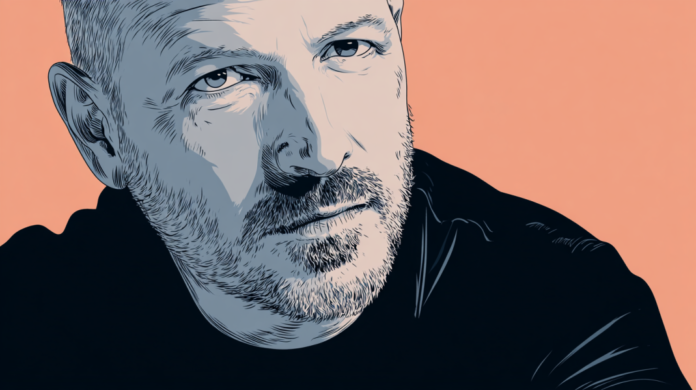
In a bustling auditorium at Fort Mason, following a rapid-fire keynote unveiling numerous product innovations, OpenAI CEO Sam Altman engaged in an exclusive dialogue with Sir Jony Ive, the visionary designer renowned for shaping Apple’s most iconic devices. This intimate conversation, reserved solely for the 1,500 developers present and absent from the public livestream, provided an unprecedented insight into the ethos and aspirations driving their confidential partnership to create a groundbreaking “family” of AI-integrated hardware.
The alliance, cemented by OpenAI’s acquisition of Ive’s hardware startup Io earlier this year, has sparked widespread curiosity and speculation. While specific product details remain tightly guarded, the discussion shifted focus from technical specs to a deeper, almost healing mission: to mend humanity’s fractured relationship with technology.
Jony Ive’s Vision Beyond Apple: Redefining Human-Tech Interaction
For nearly three-quarters of an hour, Ive spoke with his trademark reflective tone, outlining a vision that simultaneously builds upon and seeks to atone for his previous contributions. The architect behind the iPhone-a device that revolutionized personal computing-now embarks on a journey to alleviate the very unease his creations helped foster.
This collaboration, Ive revealed, had been evolving over several years, but it was the emergence of ChatGPT that crystallized the purpose of his post-Apple design collective. “The launch of ChatGPT illuminated our direction after six years of exploration,” he explained. “We began conceptualizing an interface that leverages the extraordinary capabilities these technologies offer. In my entire career, I’ve never encountered anything with such profound potential.”
He emphasized that this potential necessitates a radical reimagining of our devices, which he described as “outdated relics” from a previous technological era. The driving force behind this endeavor is not commercial gain but a profound commitment to humanity’s well-being. “Our motivation stems from a deep affection for our species and a desire to contribute meaningfully,” Ive stated. “We believe humanity deserves far better than what is typically provided.”
Addressing Tech-Induced Anxiety: A New Paradigm for AI Devices
A central theme of the conversation was Ive’s unvarnished critique of today’s technology landscape-the very ecosystem he helped shape. He characterized our current engagement with devices as fundamentally troubled, viewing AI not as a mere extension but as a remedy to this dysfunction.
“Our relationship with technology is far from comfortable,” Ive remarked. “Calling it ‘uncomfortable’ is a gross understatement.”
Rather than prioritizing productivity, the forthcoming generation of devices aims to enhance emotional health. This marks a significant shift away from Silicon Valley’s traditional fixation on efficiency and output.
When questioned about his aspirations for these new tools, Ive underscored emotional fulfillment over mere functionality. “While productivity matters, my ultimate hope is that these devices foster happiness, peace, and connection, reducing anxiety and isolation,” he said.
He framed this initiative as an opportunity to overturn the prevailing, strained dynamic between people and their technology. “We have the chance to fundamentally transform our current predicament,” he asserted. “Accepting this as the status quo is no longer an option.”
Navigating Innovation Overload: The Challenge of Focus Amid Rapid AI Progress
Despite a clear vision, the journey is riddled with obstacles. Industry insiders have reported delays in the project’s timeline, a reality Ive acknowledged candidly. The breakneck speed of AI advancements has unleashed a flood of promising concepts, complicating the process of honing in on the most impactful ideas.
“The pace is staggering,” Ive admitted. “We’ve generated 15 to 20 compelling product concepts, and the real challenge lies in choosing where to concentrate our efforts. I used to be confident in this, but now the abundance of options makes it difficult.”
This insight sheds light on reports that the team is still refining the device’s “personality” and underlying architecture. The objective is to craft an AI companion that is approachable yet unobtrusive, steering clear of the pitfalls associated with overly assertive digital assistants.
Designing Beyond Screens: Crafting an ‘Inevitable’ AI Experience
Although no prototypes were revealed, the dialogue and previous leaks hint at a multi-device ecosystem rather than a single gadget. This system is expected to break free from the screen-dominated paradigm, incorporating sensors like cameras and microphones to intuitively understand its surroundings.
Ive argued that delivering cutting-edge AI through “products rooted in decades-old design” would be nonsensical. The ambition is to create technology that feels both revolutionary and inherently natural.
“The design should feel inevitable, as if no other rational solution exists,” he said, echoing a philosophy reminiscent of his collaborations with Steve Jobs.
He also emphasized the importance of reintroducing delight and playfulness into technology, countering a culture he perceives as overly solemn.
“If our interfaces can’t evoke genuine smiles and instead become just another serious, exclusive experience, we’d be doing ourselves a great disservice,” Ive reflected.
The session concluded without unveiling any products, leaving attendees with a conceptual framework rather than technical specifics. The overarching message was unmistakable: the designer who once placed a screen in every pocket is now championing a screenless future, powered by OpenAI’s advanced intelligence, aiming to ease our anxieties and deepen our humanity.

