
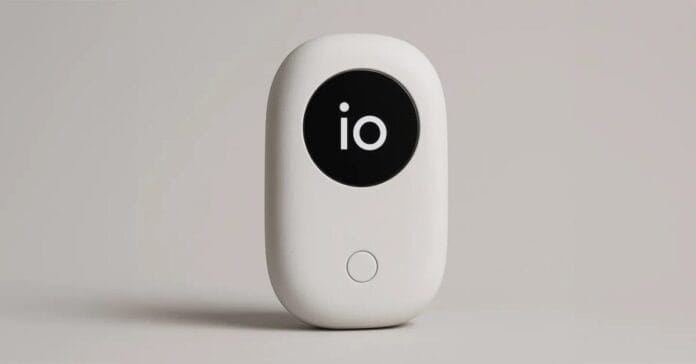
OpenAI’s Ambitious AI Hardware Initiative Encounters Development Hurdles
Background: A High-Profile Collaboration in AI Hardware
OpenAI, the organization behind the revolutionary ChatGPT, has been working on a confidential AI hardware device, envisioned and crafted under the guidance of Jony Ive, the former Chief Design Officer at Apple. This project has generated significant anticipation due to Ive’s renowned design expertise and OpenAI’s leading position in artificial intelligence innovation.
Current Status: Delays in Launch Timeline
Recent updates reveal that the release of this cutting-edge AI device is being postponed. The development team is grappling with fundamental challenges that have slowed progress, pushing back the anticipated launch date. These setbacks highlight the complexities involved in merging advanced AI capabilities with user-centric hardware design.
Core Challenges: Defining the Device’s Identity and Functionality
One of the primary obstacles lies in establishing the device’s “personality” – essentially, how it interacts with users and presents its AI-driven responses. Crafting a distinctive yet approachable persona for the hardware is proving to be a nuanced task, as it must balance technical sophistication with intuitive user engagement.
Beyond personality, the team is also addressing issues related to hardware integration, ensuring seamless performance, and maintaining privacy and security standards that meet today’s stringent expectations.
Implications for the AI Industry and Future Prospects
The delay underscores the broader challenges faced by companies attempting to bring AI-powered devices from concept to market. As AI continues to evolve rapidly, the demand for hardware that can effectively harness these advancements grows, but so do the technical and ethical considerations.
For example, similar projects in the AI hardware space, such as Google’s experimental AI assistant devices, have also encountered hurdles related to user experience and data protection. These cases illustrate the delicate balance between innovation and responsibility.
Looking Ahead: What to Expect Next
While the timeline for the device’s debut remains uncertain, OpenAI’s commitment to refining the product suggests a focus on quality and user-centric design over rushing to market. Industry analysts predict that once these challenges are resolved, the device could set new standards for AI interaction and hardware integration.
As of mid-2024, OpenAI continues to invest heavily in research and development, signaling that this project remains a strategic priority despite current delays.

