
Debunking the Rumors: Nvidia Rubin CPX and the GeForce RTX 6090

Understanding the Nvidia Rubin CPX: A Specialized AI Accelerator
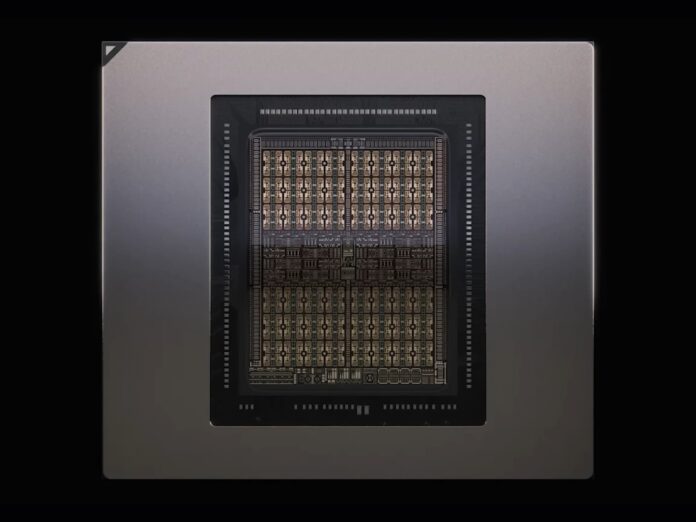
In a recent announcement, Nvidia unveiled the Rubin CPX, a cutting-edge AI-focused graphics processing unit featuring a monolithic architecture paired with an impressive 128 GB of GDDR7 memory. This GPU is tailored specifically for high-demand AI inference workloads, including large-scale token processing and generative video applications, aiming to deliver exceptional performance and energy efficiency.
Unlike traditional gaming GPUs, the Rubin CPX is optimized for AI-centric tasks, making it a powerful tool for developers and enterprises working on advanced machine learning models and AI coding environments.
Speculation Around the RTX 6090: Separating Fact from Fiction
As the tech community eagerly anticipates the next wave of desktop GPUs slated for release in 2026, rumors have circulated suggesting that the Rubin CPX might serve as the core GPU for Nvidia’s upcoming GeForce RTX 6090. This speculation was fueled by the Rubin CPX’s launch timeline, which aligns closely with Nvidia’s anticipated unveiling of the RTX 50 Super Series at CES 2026, and the expected release of the RTX 60 series later that year.
However, recent insights from industry insiders and credible sources have challenged this narrative. According to information shared by a well-regarded leaker, the Rubin CPX is highly specialized for AI inference and prefill operations, lacking essential features such as video output capabilities. This specialization suggests that the Rubin CPX is unlikely to be repurposed as a gaming GPU or integrated with a separate media die, which are critical components for a consumer-grade graphics card like the RTX 6090.
Technical Constraints and Future Prospects
The monolithic design of the Rubin CPX, while advantageous for AI workloads, presents challenges for adaptation into a versatile gaming GPU. The absence of video output hardware and the focus on AI inference tasks indicate that Nvidia’s strategy involves distinct product lines for AI accelerators and gaming GPUs.
Although it remains theoretically possible for Nvidia to modify the Rubin CPX architecture for future gaming applications, current evidence and technical analyses suggest that the RTX 6090 will likely feature a different GPU core tailored specifically for high-performance gaming and multimedia tasks.
Looking Ahead: Nvidia’s Roadmap and Industry Trends
With AMD’s RDNA 5 GPUs already generating buzz for their upcoming releases, Nvidia’s next-generation GeForce RTX 60 series remains shrouded in mystery. The company’s focus on AI-specific hardware like the Rubin CPX highlights a broader industry trend toward specialized accelerators designed to meet the growing demands of artificial intelligence and machine learning.
As 2026 approaches, enthusiasts and professionals alike can expect Nvidia to continue unveiling innovations that balance gaming performance with AI capabilities, potentially through separate but complementary product lines.

