
How Artificial Intelligence is Revolutionizing Cognitive Development
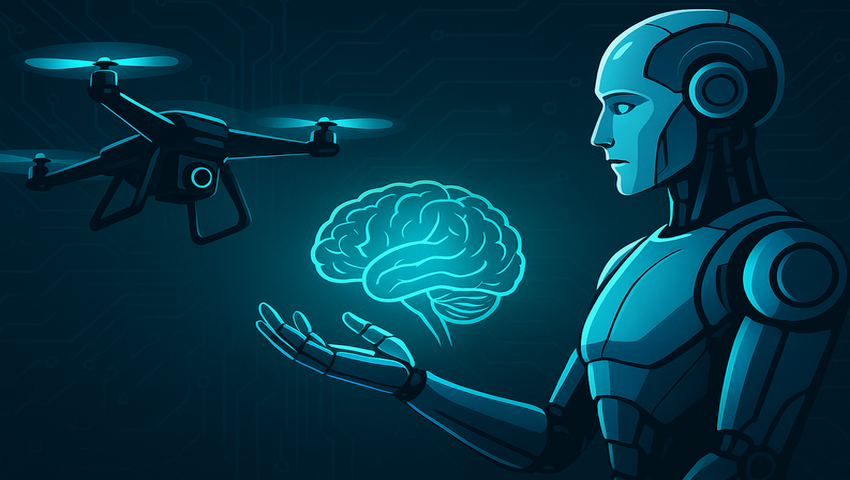
Artificial Intelligence (AI) is rapidly transforming the way machines emulate human thinking, marking a significant leap in cognitive technology. By integrating advanced algorithms and neural networks, AI systems are now capable of learning, reasoning, and adapting in ways that closely mirror human mental functions.
The Evolution of Machine Cognition
Over the past decade, AI has evolved from simple rule-based systems to complex models that can process vast amounts of data and extract meaningful patterns. Modern AI frameworks, such as deep learning and reinforcement learning, enable machines to improve their performance autonomously, much like the human brain refines its skills through experience.
Current Applications and Impact
Today, AI-driven cognitive technologies are employed across various sectors, including healthcare, finance, and education. For instance, AI-powered diagnostic tools analyze medical images with accuracy rates exceeding 90%, assisting doctors in early disease detection. In finance, intelligent algorithms predict market trends, optimizing investment strategies. Educational platforms utilize adaptive learning systems that tailor content to individual student needs, enhancing engagement and retention.
Challenges and Future Directions
Despite these advancements, replicating the full spectrum of human cognition remains a formidable challenge. Issues such as ethical considerations, data privacy, and the interpretability of AI decisions continue to be areas of active research. Looking ahead, the integration of AI with emerging technologies like quantum computing promises to unlock unprecedented cognitive capabilities, potentially enabling machines to solve complex problems beyond current human capacity.
Conclusion
As AI continues to build upon the foundations of human-like cognition, its influence on society and industry is set to expand dramatically. Embracing these innovations responsibly will be crucial to harnessing their full potential while addressing the ethical and practical challenges they present.

