
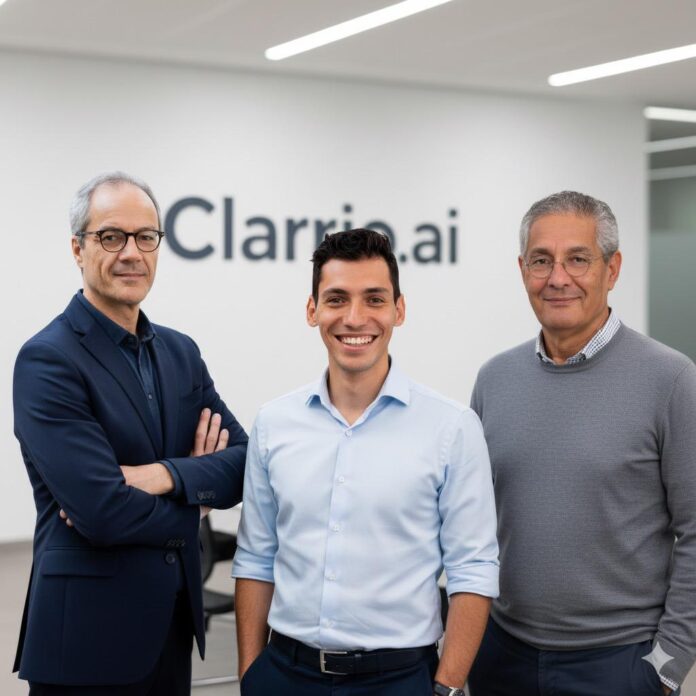
Bridging the Health Data Divide in Africa: The Rise of Predictive Analytics
Across numerous African nations, the scarcity of dependable health data poses a significant challenge for medical professionals. Physicians often have to make critical treatment decisions based on incomplete or fragmented information. According to a 2021 World Health Organization (WHO) assessment, nearly two-thirds of countries within the African region lack robust systems to accurately document vital statistics such as births and deaths. The situation is even more dire when it comes to data on non-communicable diseases (NCDs), which remain largely undocumented.
The Impact of Data Deficiency on Chronic Disease Management
This lack of comprehensive health data severely hampers the management of chronic illnesses, affecting millions of patients. It not only compromises individual care but also stifles medical research, drug innovation, and strategic healthcare planning. Without reliable data, healthcare providers struggle to understand disease patterns, identify risk factors, and tailor interventions effectively.
Clarrio: Harnessing AI to Transform Chronic Disease Care
Recognizing this critical gap, Clarrio.ai emerged as a pioneering solution leveraging advanced artificial intelligence to transform physiological signals, behavioral patterns, and environmental factors into actionable health insights. Initially launched in 2023 under the name Knowlepsy, Clarrio was developed with a focus on epilepsy management. The company’s CEO and co-founder, Firas Rhaiem, was personally motivated by his sister’s struggle with epilepsy, which was exacerbated by the absence of detailed health data such as seizure frequency and environmental triggers. By creating a platform that aggregates and interprets these data points, Clarrio enabled his sister to reduce her seizures from weekly occurrences to several years of remission.
Expanding Beyond Epilepsy: Addressing Broader Chronic Conditions
As Rhaiem and his team delved deeper, they discovered that the data scarcity extended well beyond epilepsy to encompass a wide range of chronic diseases. “Once patients leave the hospital, they become disconnected from continuous care,” Rhaiem noted. To tackle this, Clarrio evolved into a device-agnostic platform designed to consolidate chronic disease data from multiple sources, rebranding from Knowlepsy to Clarrio to reflect its broader mission.
Clarrio’s Innovative Technology and Applications
KnowRisk: A Comprehensive Wearable App for Chronic Disease Monitoring
At the heart of Clarrio’s offerings is KnowRisk, a wearable device application tailored for individuals managing chronic illnesses. This app captures a wide array of data including environmental conditions, physical activities, and emotional states such as sleep quality, stress levels, menstrual cycles, and heart rate variability. Utilizing Convolutional Neural Networks (CNNs), the system analyzes both real-time and historical data to identify meaningful patterns that can inform patient care.
Advanced AI Models for Personalized Health Insights
KnowRisk integrates Large Language Models (LLMs) to extract nuanced data points and employs Long Short-Term Memory (LSTM) networks to retain and utilize past information for current assessments. This sophisticated AI framework empowers patients to recognize and avoid personal triggers that may exacerbate their conditions. The platform supports interoperability with over 300 devices, including popular brands like Huawei, Apple, Xiaomi, Fitbit, and Clarrio’s proprietary hardware.
Seamless Integration for Healthcare Providers and Institutions
Beyond patient use, KnowRisk functions as a Software as a Service (SaaS) dashboard for hospitals, pharmaceutical companies, and other healthcare organizations. It consolidates patient-generated data with clinical records to deliver AI-driven early warning alerts for health risks. Designed to operate efficiently even in resource-constrained settings, the platform requires only basic internet connectivity. Currently, Clarrio’s services extend to managing migraines, epilepsy, cardiovascular diseases, and asthma, with plans to broaden its scope further.
Market Position and Strategic Partnerships
Clarrio’s business model targets health systems, pharmaceutical firms, and insurance providers, offering free access to patients and clinicians while charging institutional clients annual fees ranging from $942 to $1,178 per patient or through enterprise agreements. The company identifies competitors such as Flatiron Health, which focuses primarily on oncology, and Verily, known for handling isolated datasets. Clarrio differentiates itself through its chronic disease specialization, ability to capture data beyond clinical environments, and a proprietary dataset enriched by real-world patient experiences.
Currently, Clarrio supports over 500 patients across Tunisia and Qatar and maintains active collaborations with healthcare institutions like Sidra Medicine and Hamad Medical Corporation in Qatar, as well as Netcare Hospitals in Johannesburg, South Africa. Additionally, Microsoft partners with Clarrio by listing and promoting the platform through its marketplace.
Funding, Performance, and Future Directions
Backed by venture capital, Clarrio has secured over $1 million in equity funding from more than 25 angel investors, including senior Microsoft executives. The platform boasts a 78.9% accuracy rate in predicting seizure triggers and has contributed to a 30% reduction in emergency room visits among its users.
Looking ahead, Clarrio aims to expand its disease coverage to include cancer and autoimmune disorders, targeting entry into the U.S. market by 2026. The company is committed to fostering innovation in health technology by sharing anonymized datasets to support emerging startups.
Philosophy on Data and Personalization
Rhaiem emphasizes that Clarrio’s value lies not in selling predictions but in providing access to comprehensive health data. “Personalization is the key,” he asserts. “With access to detailed data, healthcare systems and patients alike can tailor treatments, leading to improved outcomes for all.”

