
California Senate Advances Landmark AI Safety Legislation
In the early hours of Saturday, California’s state Senate passed a significant AI Safety Bill aimed at enhancing transparency and accountability among major artificial intelligence companies.
Key Provisions of SB 53: Transparency, Whistleblower Protections, and Compute Access
Authored by Senator Scott Wiener, SB 53 mandates that large AI research labs disclose detailed information about their safety measures. The bill also introduces protections for employees who report unsafe practices within AI organizations. Additionally, it proposes the establishment of a publicly accessible cloud computing platform, known as CalCompute, to democratize access to high-performance computing resources.
Next Steps: Awaiting Governor Newsom’s Decision
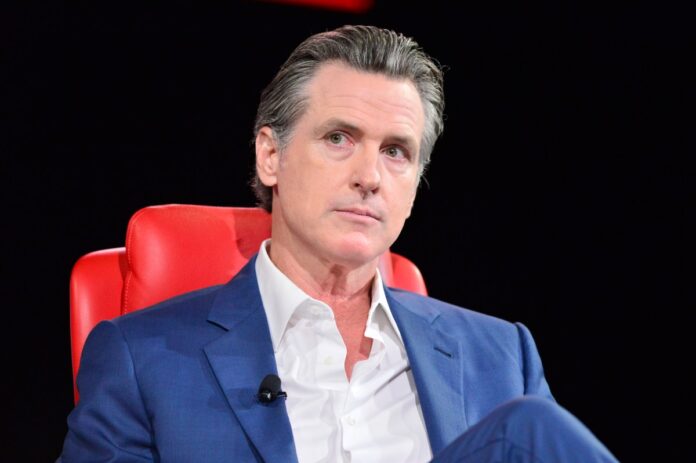
Following Senate approval, the bill now awaits the signature or veto of Governor Gavin Newsom. While Newsom has yet to comment on SB 53, his previous stance offers some insight. Last year, he vetoed a broader AI safety bill also authored by Wiener, citing concerns over overly rigid regulations that did not differentiate between AI models based on their risk levels or application contexts. Instead, Newsom endorsed narrower legislation targeting specific issues such as deepfake technology.
Refinements to SB 53: Tiered Disclosure Requirements Based on Company Revenue
Recent amendments to SB 53 introduce a tiered approach to transparency. Companies developing “frontier” AI systems with annual revenues under $500 million are required to provide only high-level safety information. In contrast, larger firms exceeding this revenue threshold must submit more comprehensive safety disclosures. This adjustment aims to balance regulatory oversight with the operational realities of smaller AI developers.
Industry Reactions: Mixed Responses from Silicon Valley and Beyond
The bill has sparked debate among technology companies, venture capitalists, and lobbying groups. Critics argue that state-level AI regulations, including those proposed in California and New York, may conflict with constitutional limits on regulating interstate commerce. For example, Andreessen Horowitz’s head of AI policy recently expressed concerns that such legislation could overstep legal boundaries.
Notably, the co-founders of Andreessen Horowitz have previously linked their support for former President Donald Trump’s potential second term to opposition against stringent tech regulations. The Trump administration and its allies have advocated for a decade-long moratorium on state-level AI regulations to foster innovation and uniformity.
Support from AI Leaders: Anthropic Endorses SB 53
Contrasting with some industry skepticism, AI research company Anthropic has publicly backed SB 53. Co-founder Jack Clark emphasized the importance of federal standards for AI governance but acknowledged that in their absence, California’s framework offers a robust and necessary approach to managing AI risks.
Contextualizing AI Regulation: The Path Forward
As AI technologies rapidly evolve, regulatory frameworks like SB 53 represent critical efforts to ensure safety, transparency, and ethical development. With AI models becoming increasingly powerful and integrated into sensitive decision-making processes, establishing clear guidelines is essential to protect public interests while fostering innovation.
California’s initiative reflects a growing trend among states to take proactive measures in AI oversight, even as debates continue over the best balance between regulation and technological advancement.

