
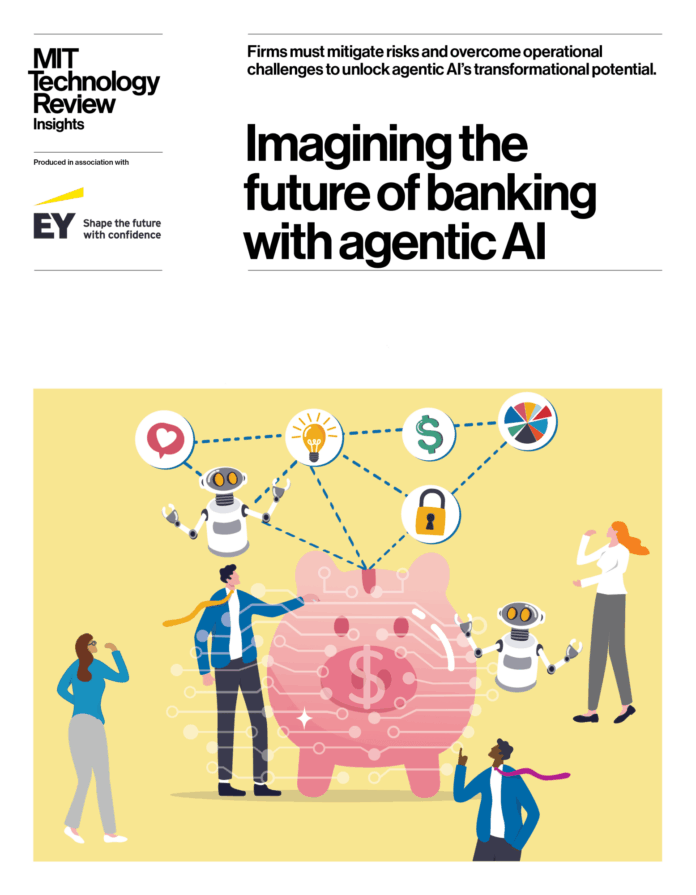
Agentic AI Revolutionizing Financial Services
The evolution of agentic artificial intelligence (AI) is ushering in transformative changes within the financial services industry. Financial institutions are increasingly leveraging agentic AI to streamline operations, manage intricate systems, and analyze enormous volumes of unstructured data to make informed decisions and execute actions autonomously or with minimal human oversight. According to Sameer Gupta, Americas financial services AI leader at EY, “The advancement of agentic AI enables large-scale automation that surpasses the capabilities of traditional rule-based systems like robotic process automation, significantly enhancing cost efficiency and customer satisfaction.”
Transforming Customer Interactions and Operational Efficiency
Agentic AI’s applications span a wide array of banking functions-from handling customer service inquiries and automating loan processing to synchronizing bill payments with customers’ income schedules and extracting critical clauses from complex financial contracts. These capabilities not only elevate the customer experience but also revolutionize internal workflows, enabling banks to operate with greater agility and precision.
Adapting to Technological Disruption: A Strategic Imperative
Embracing cutting-edge technologies like agentic AI is no longer optional but vital for financial institutions aiming to thrive in a competitive landscape. Murli Buluswar, head of US personal banking analytics at Citi, emphasizes that “The firms that successfully integrate new technological capabilities and redesign their operational models will outpace competitors. Employees and organizations must acknowledge that their work processes will undergo significant transformation.”
Current Trends and Impact of Agentic AI in Banking
The adoption of agentic AI within banking is accelerating rapidly. A recent 2025 survey conducted by MIT Technology Review Insights involving 250 banking executives revealed that 70% of respondents reported some level of agentic AI implementation-16% through active deployments and 52% via pilot initiatives. The technology is already demonstrating substantial benefits across various domains. Over half of the surveyed leaders highlighted agentic AI’s effectiveness in enhancing fraud detection (56%) and bolstering security measures (51%). Additionally, 41% acknowledged its role in reducing operational costs and improving efficiency, while an equal percentage recognized its positive impact on customer experience.
Expanding Horizons: Future Applications and Opportunities
Looking ahead, agentic AI is poised to further disrupt financial services by enabling more sophisticated risk management, personalized financial advice, and real-time regulatory compliance. For example, AI-driven predictive analytics can anticipate market shifts, allowing banks to proactively adjust portfolios and lending strategies. Moreover, as AI models become more transparent and explainable, regulatory bodies are increasingly open to their integration, fostering trust and wider adoption.
Conclusion: Embracing the AI-Driven Future
Agentic AI represents a pivotal advancement in the digital transformation of banking. Institutions that strategically harness its capabilities will unlock new efficiencies, enhance security, and deliver superior customer experiences. As the technology matures, continuous innovation and adaptation will be essential for financial firms to maintain a competitive edge in an evolving marketplace.

