
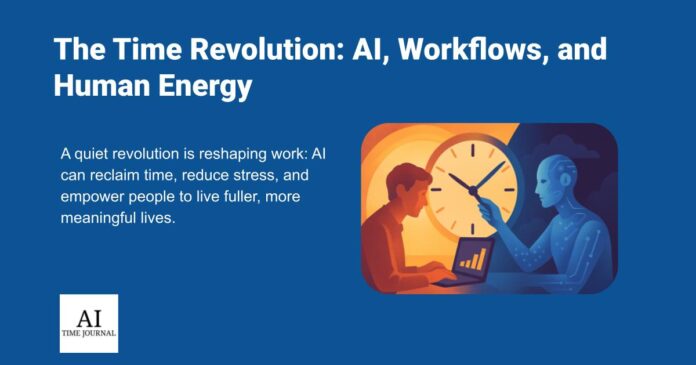
Reclaiming Time in the Age of AI
The journey toward better time management doesn’t begin with technology-it begins with a shared yearning for something more: the freedom to pause, reflect, and truly experience life beyond the relentless pace of nonstop meetings and jam-packed schedules. As artificial intelligence becomes increasingly embedded in our everyday tasks, a critical inquiry emerges: Will AI serve as a tool to restore our precious time, or will it further consume the hours we desperately seek to reclaim?
Beyond the Clock: The Human Need for Space
Modern work culture often traps us in a cycle of constant activity, leaving little room for mental rest or creative thinking. The desire to break free from this cycle is universal. People crave moments to step back, breathe deeply, and engage with their work and lives more meaningfully. This fundamental need sets the stage for how AI should be designed and implemented-not just as a productivity booster, but as a means to enhance our quality of life.
AI’s Dual Role: Liberator or Time Thief?
Artificial intelligence holds immense promise to automate repetitive tasks, streamline communication, and optimize workflows. For instance, AI-powered scheduling assistants can reduce the hassle of coordinating meetings, while intelligent email filters help prioritize urgent messages. According to recent studies, businesses that integrate AI tools report up to a 40% increase in operational efficiency. However, this efficiency can come at a cost. The risk lies in AI creating an expectation of constant availability and faster turnaround times, potentially leading to even more pressure and less downtime.
Striking a Balance: Designing AI for Human-Centric Workflows
To truly benefit from AI, organizations must prioritize human well-being alongside productivity gains. This means developing AI systems that not only handle mundane tasks but also respect natural work rhythms and encourage breaks. For example, some companies are experimenting with AI that suggests optimal times for focused work or rest, based on individual patterns. By aligning AI capabilities with human needs, we can foster environments where technology supports-not supplants-our capacity to think deeply and live fully.
Looking Ahead: The Future of Time and Technology
As AI continues to evolve, its impact on how we experience time will become increasingly significant. Embracing AI as a partner in reclaiming our schedules requires intentional choices about its role in our lives. Will we allow it to dictate our pace, or will we harness it to create space for innovation, creativity, and genuine human connection? The answer depends on how thoughtfully we integrate AI into our daily routines, ensuring it amplifies our humanity rather than diminishes it.

